Asahina
Land and history
ICHI draws from Asahina — where tea culture has endured for over seven centuries, within Fujieda, a city whose human story stretches back more than ten thousand years. This is the land we work from, and the narrative we are entrusted to carry.
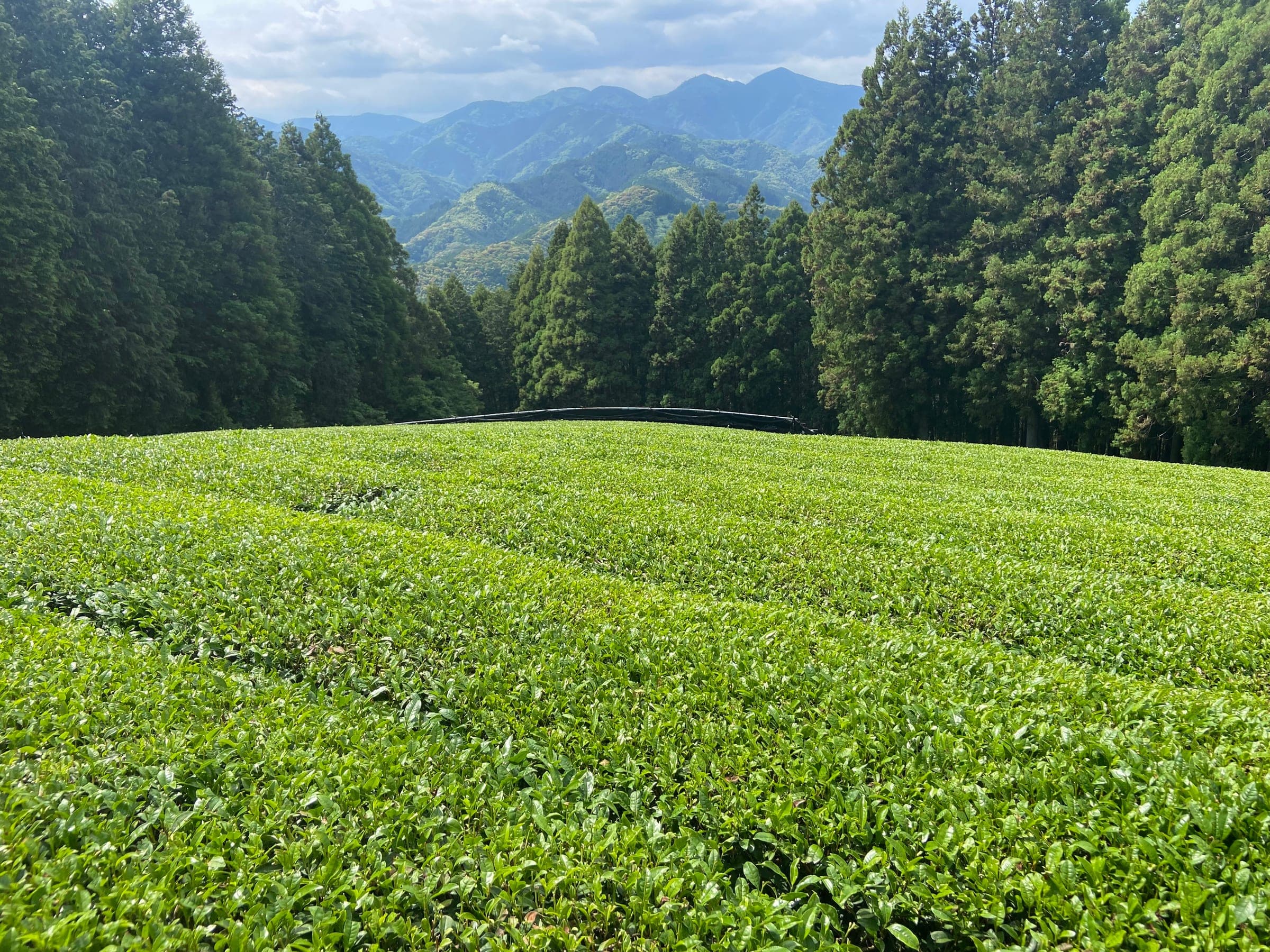
The landscape of Asahina
Tea Culture
Seven hundred years in Asahina
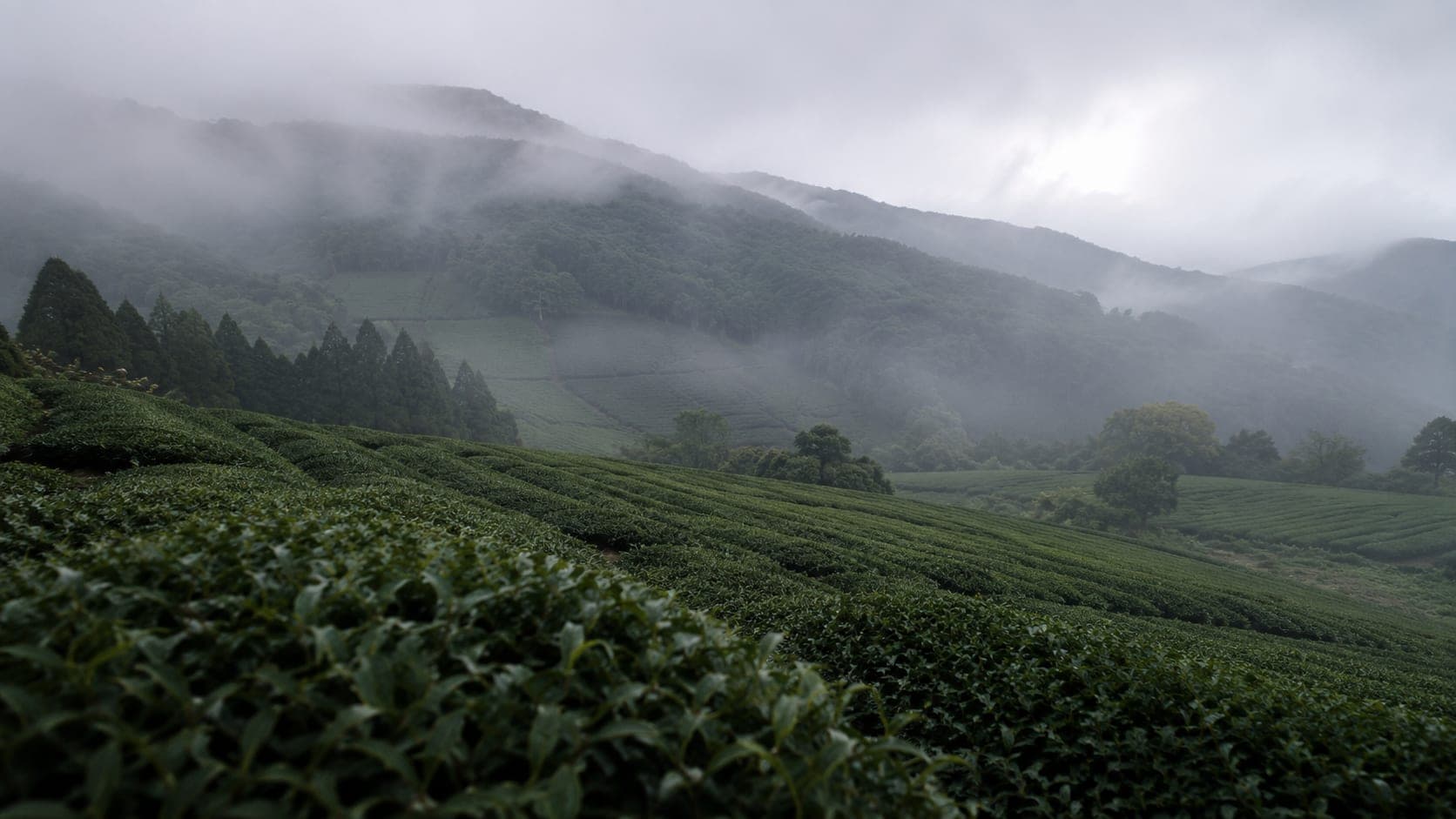
Since the Muromachi period (1336–1573), Asahina has been recognized as one of Japan’s three great gyokuro regions. Morning fog rises through the hills, softening light and raising humidity to a pitch that cannot be engineered — only awaited.
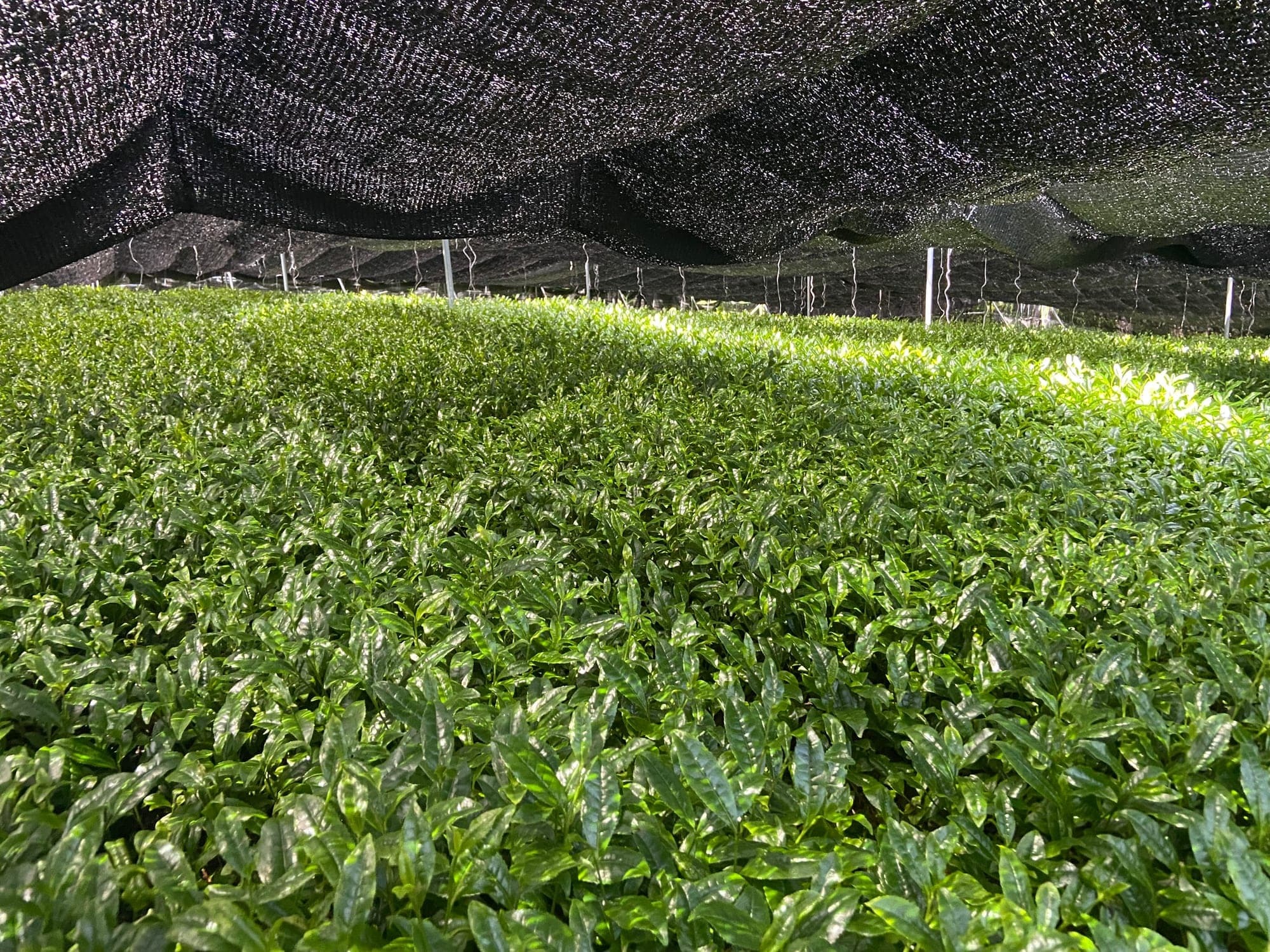
Here, growers weave straw into komo and cover the plants for twenty days before the May first flush. It is a method too laborious for industrial scale, and essential to the depth that defines this terroir.
ICHI exists to carry this culture forward — not as nostalgia, but as a living practice: stone-milled, first-flush, single-origin matcha for those who understand that the land itself is the story.
Fujieda City
Millennia of settlement
Prehistoric
The earliest inhabitants
People first settled the Fujieda area over 10,000 years ago, at the close of the Paleolithic. In the Jōmon period, communities thrived on the hills above the Seto and Ōi rivers. In the Yayoi period, rice cultivation began on the plains — large settlements and paddies emerging in places such as Kamiyabuta.
Ancient
Kingdoms and burial mounds
By the fourth and fifth centuries, as the Yamato state took shape, keyhole tombs appeared in Fujieda — including the Tokigaya Gokimen tumulus. In the sixth century, roughly a thousand mounds rose across the hills of Seto and Hara. In the Nara and Heian periods, the Shida Plain held the district offices of Shida and Mashizu — the political and cultural heart of the region.
Medieval
Warriors and the Tōkaidō
With the Kamakura shogunate, the highway between Kyoto and Kamakura grew in importance — and the name Fujieda began to appear in travel records. In the Muromachi period, the Imagawa briefly kept a residence at Hanashi. In the Sengoku era, Tanaka Castle became a stage for contest among Imagawa, Takeda, and Tokugawa.
Edo
A post town on the Tōkaidō
Under the Edo shogunate, the Tanaka domain governed the villages of the Shida Plain, while Fujieda flourished as one of the fifty-three stations of the Tōkaidō — a post town alive with travelers between Kyoto and Edo. Commerce and craft passed through this land daily.
Modern
A centre of Shizuoka tea
In the Meiji era, Fujieda grew around agriculture and trade. The Tōkaidō line in 1889 and the Tōsō Railway in 1913 made the city a vital hub for tea and other produce. Incorporated in 1954 and joined with Okabe in 2008, Fujieda remains a central city of Shizuoka — known for wisteria, football, and the Tōkaidō road.
The Region
A portrait of Asahina
Photographs from the fields, hills, and workshops of Fujieda Asahina will gather here as our archive grows.
Morning mist over the tea fields
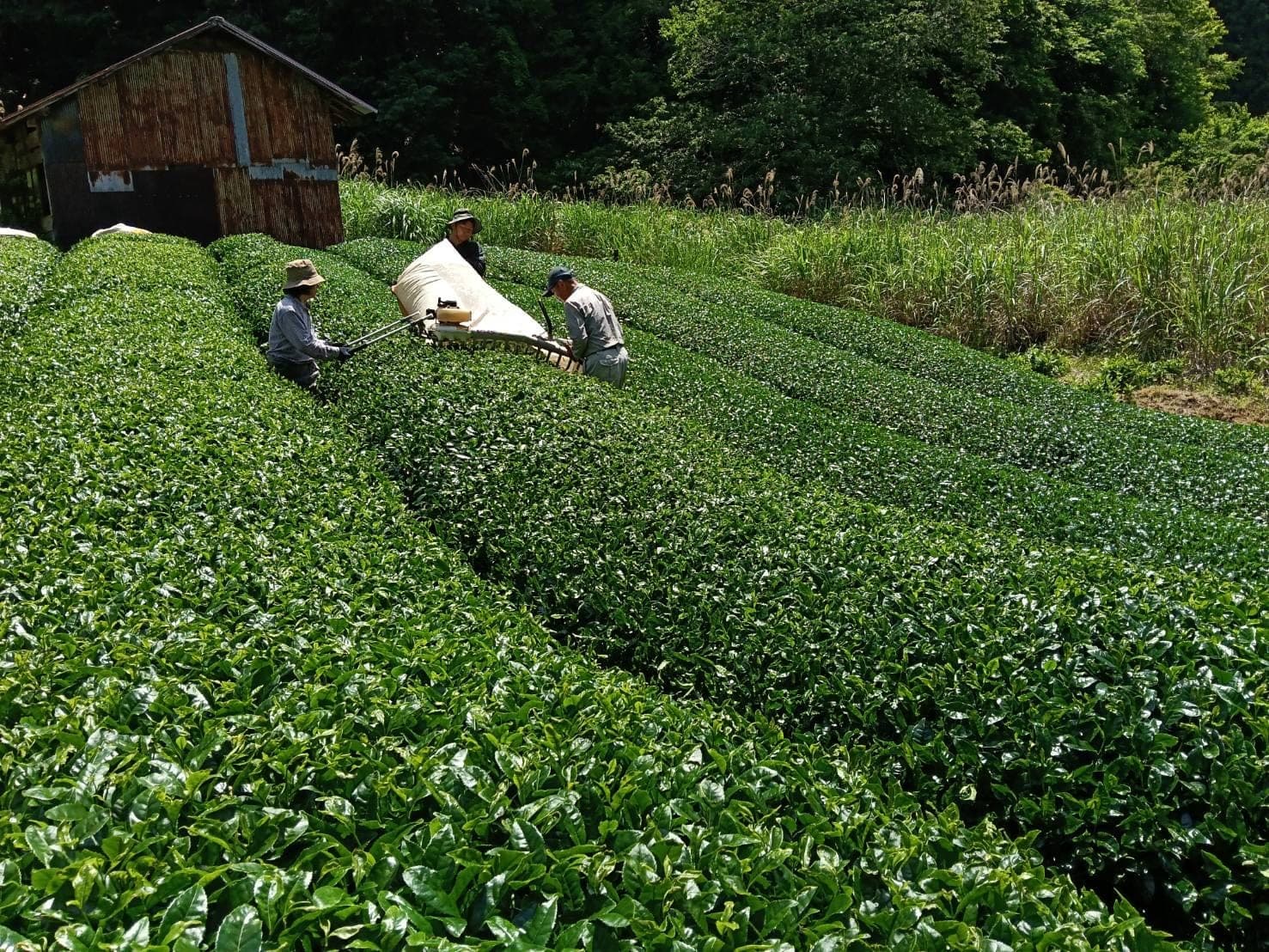
Tea plantations of Asahina
Traditional komo straw shading
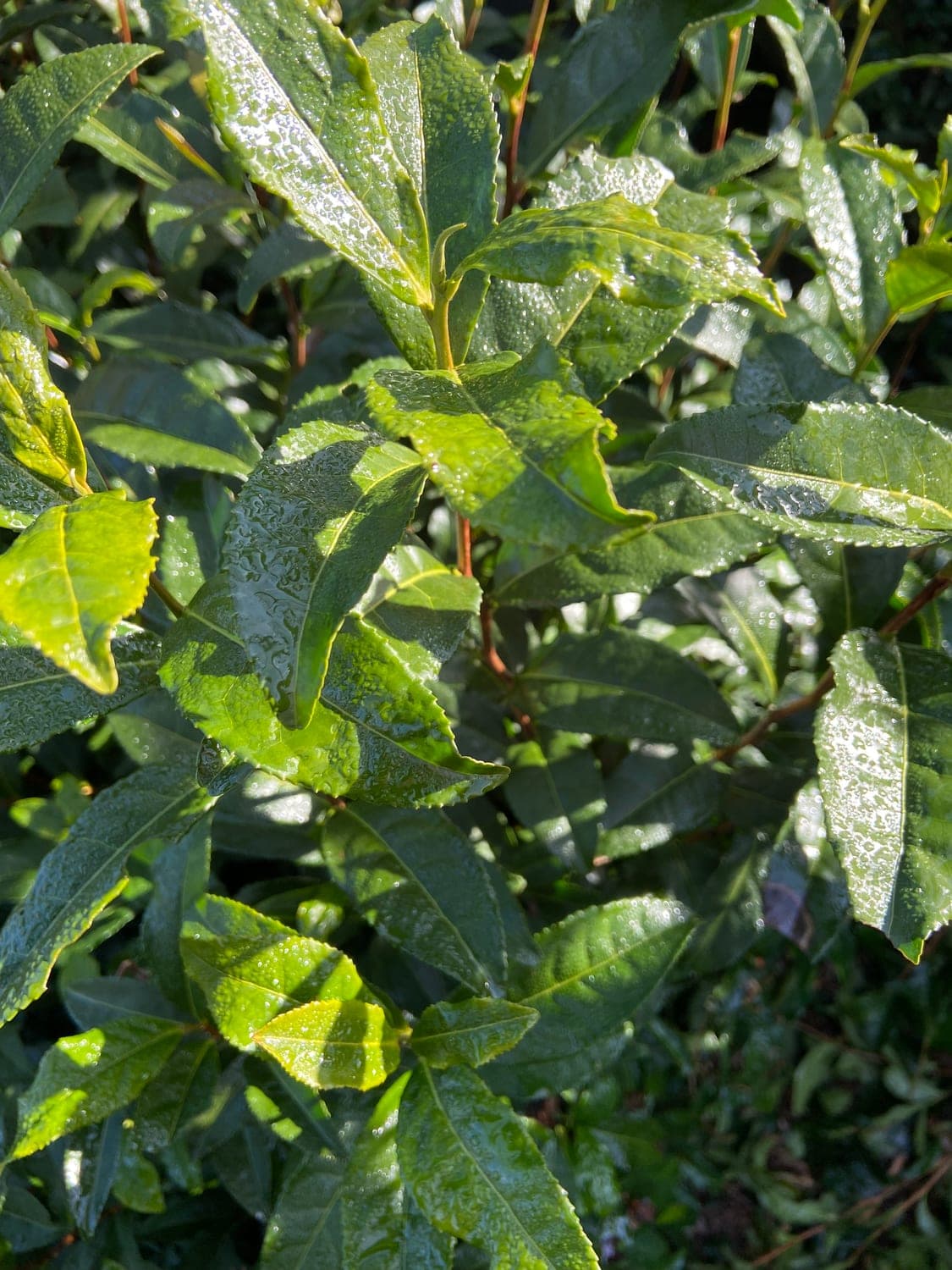
May first-flush harvest
The landscape of Asahina
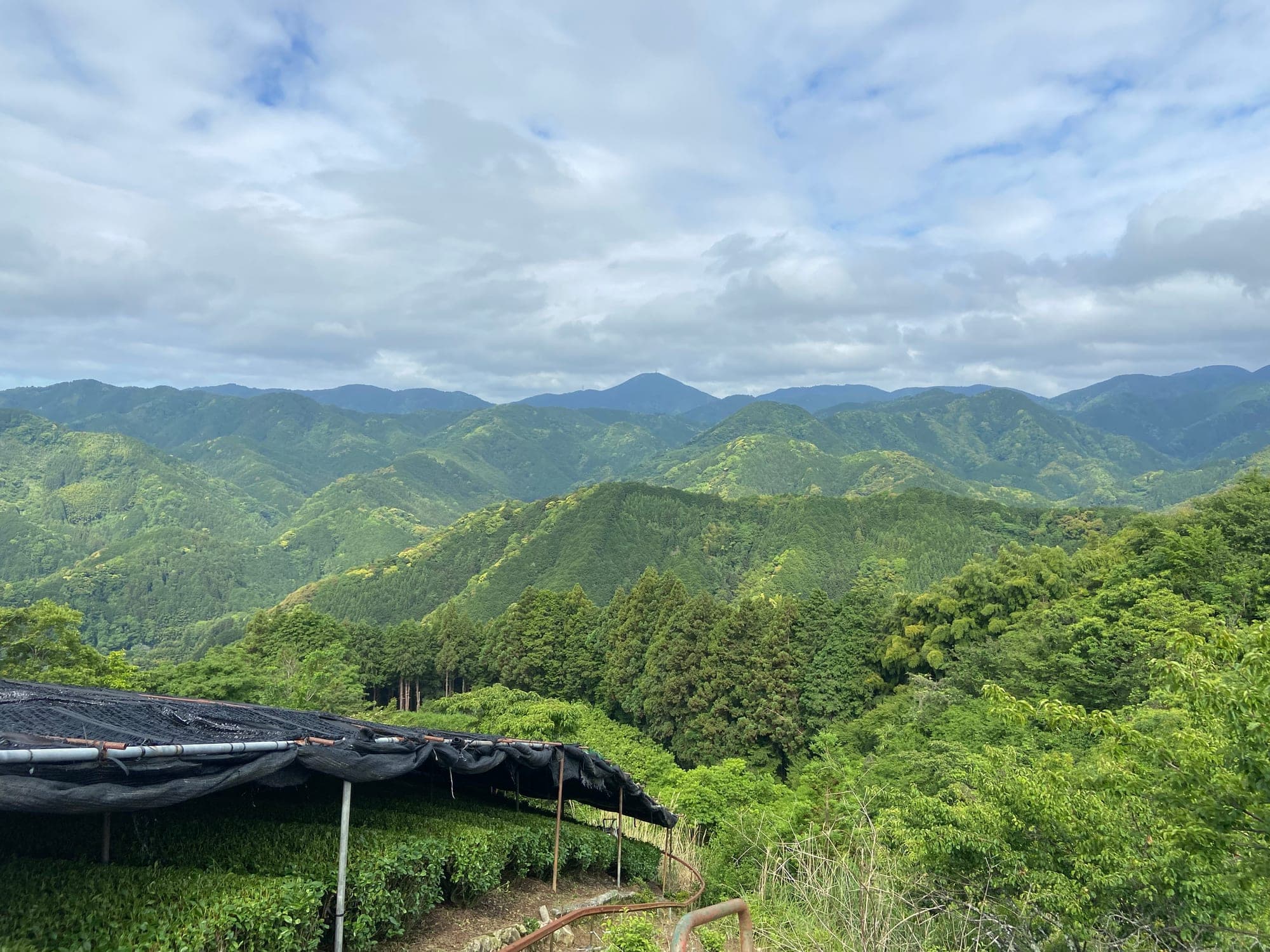
Fog rising through the hills
From this land, to the first cup
The Tōkaidō brought travelers. The railway brought trade. Asahina’s growers remained — tending fields shaped by centuries of knowledge, refusing volume at the cost of tradition.
Every tin of ICHI matcha carries that continuity: the same hills, the same mist, the same twenty days of straw shading, the same May harvest. We invite you not only to taste it, but to know where it comes from.
Taste the land
Explore matcha grown in the fields you have just read about.